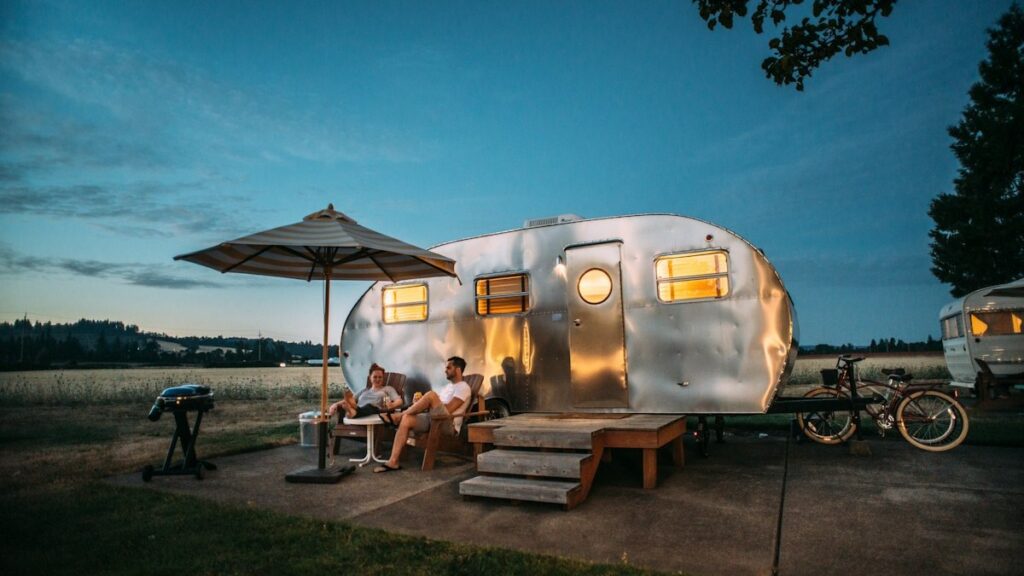
Mastering winter vanlife staying warm requires choosing low-elevation public lands, insulating your rig properly, and running a dedicated diesel or propane air heater. Traveling through the American Southwest during winter offers empty public lands, but nighttime temperatures regularly drop between 15°F and 30°F across high-desert basins. Executing a successful winter trip means balancing battery capacity, heating fuel, and water freeze protection while staging on Bureau of Land Management (BLM) and US Forest Service (USFS) parcels. We compared manufacturer specs, owner reviews, and published climate data to build this practical travel planning guide for cold-weather camper van operations.
Quick Trip Facts: Southwest Winter Circuit
- Route Duration: 14 to 21 days (850 total highway and dirt miles)
- Road Clearance Required: Minimum 8 inches of ground clearance; 4WD/AWD recommended for sandy washes
- Primary Land Jurisdiction: BLM Arizona Strip District, Mojave National Preserve, Imperial BLM Field Office
- Dump Stations & Water Refill: St. George (UT), Barstow (CA), Quartzsite (AZ), Yuma (AZ)
- Cellular Coverage: 1 to 3 bars LTE on major carriers in staging flats; dead zones inside deep washes
Itinerary & Staging Campsites
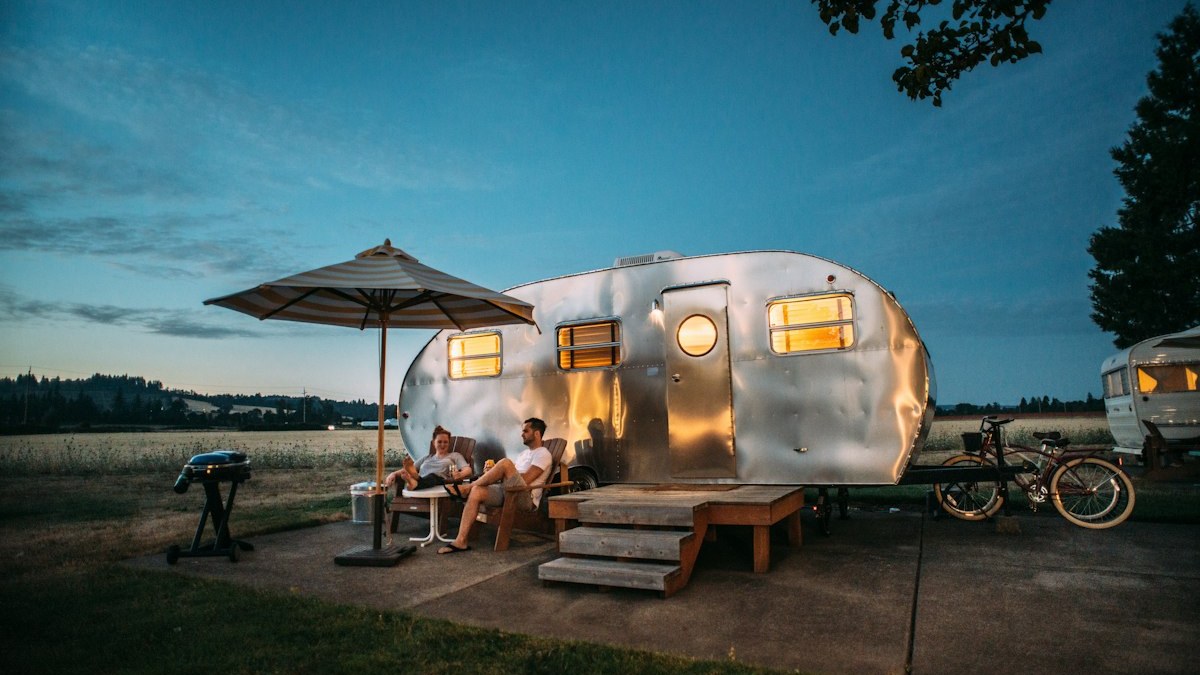
When planning a winter circuit, moving from higher-elevation plateaus to lower desert basins keeps heater fuel consumption manageable. When managing winter vanlife staying warm, high winds and freezing temperatures can quickly drain power systems if you stage in exposed areas. Below is a four-stage itinerary optimized for road access, solar exposure, and winter thermal management.
Stage 1: Beaver Dam Slope & Arizona Strip (Elevation: 2,400 ft)
Located near the Utah-Arizona border off Interstate 15, Beaver Dam Slope sits lower than the St. George basin, offering slightly milder night temperatures (28°F to 35°F). Access the area via BLM Road 1011. The gravel surface remains passable for standard two-wheel-drive vans during dry weather, though rain turns the clay soil slick quickly.
Position your vehicle with windshields facing south to maximize solar gain during daylight hours. This reduces the time your interior heater must run before sunset. Water sources are non-existent here, so fill fresh tanks in St. George prior to staging.
Stage 2: Mojave Desert Staging Areas (Elevation: 1,800 ft)
Moving south into the Mojave Desert via California Route 127 drops your operational elevation. Dispersed campsites near the perimeter of Mojave National Preserve provide wide-open solar exposure for off-grid battery charging. Night temperatures average 25°F to 32°F in mid-winter.
Park on firm dirt turnouts rather than deep desert sand washes. Cold nights harden dry surfaces, but unexpected frost melts can soften dirt track edges by mid-morning. Keep your grey water valve closed; freezing runoff will damage open ball valves and drain plumbing.
Stage 3: Quartzsite BLM Dispersed (Elevation: 880 ft)
Quartzsite, Arizona, serves as a primary hub for cold-weather boondocking. The low elevation keeps average overnight low temperatures around 38°F to 45°F, making winter vanlife staying warm significantly less demanding on your fuel reserves. The La Posa Long Term Visitor Area (LTVA) and free 14-day dispersed zones along Plomosa Road offer hard-packed gravel parking accessible by any rig.
The main advantage of Quartzsite is proximity to infrastructure. You can run heater systems on low while remaining within ten miles of potable water fills, dump stations, and propane refilling stations along Interstate 10.
Stage 4: Cargo Muchacho Mountains & Imperial Dunes (Elevation: 300 ft)
The final stage takes you south toward the California-Mexico border near Winterhaven. Elevation drops near sea level, bringing daytime highs into the mid-70s and overnight lows down to a mild 45°F. Staging on BLM land along Ogilby Road places you on firm rock and dirt pads with unobstructed southern sky access.
This location allows you to deep-cycle your house batteries using solar power and run routine maintenance checks on your heating and water systems after extended cold-weather exposure farther north.
Staging Area & Campsite Comparison
| Campsite Name | Nightly Fee | Road Type | Amenities | Stay Limit |
|---|---|---|---|---|
| Beaver Dam Slope BLM | Free | Graded Dirt / Gravel | None (Pack-in/Pack-out) | 14 Days |
| Mojave BLM Perimeter | Free | Unmaintained Dirt / Sand | None | 14 Days |
| La Posa LTVA (Quartzsite) | $40 / 14 Days | Packed Gravel | Trash, Water, Dump Station | 14 Days (or seasonal) |
| Ogilby Road BLM | Free | Hard Rock / Gravel | None | 14 Days |
Rig Preparation for Winter Vanlife Staying Warm
Preparing a vehicle chassis for winter operation requires systematic upgrades to insulation, power generation, thermal heating, and plumbing protection. Staging near public lands makes winter vanlife staying warm much easier by providing solar exposure during daylight hours, but your interior thermal envelope must retain that heat through 14-hour winter nights.
Insulation and Thermal Barriers
Sheet metal acts as a direct thermal bridge, transferring cold outside air into your living space. Effective insulation requires filling internal wall cavities with hydrophobic materials like 3M Thinsulate SM600L or Havelock Wool. Avoid expanded polystyrene (EPS) board directly against curved van walls, as air gaps allow interior moisture to condense, creating hidden rust and mold issues.
Windows represent the largest point of heat loss in any camper van. Standard reflective bubble wrap (Reflectix) pressed directly against single-pane glass offers minimal R-value because it lacks the necessary air gap to reflect radiant heat efficiently. Additionally, it traps moisture against the window frame. A superior alternative is multi-layered insulated magnetic window covers built with Low-E insulation and heavy fabric face layers (such as covers from Vanmade Gear or Tourig). These seal tightly against the window frame, stopping convective air currents.
12V Power Sizing and Battery Heating
For extended off-grid stays, winter vanlife staying warm demands a reliable 12V or 24V power system. Standard Lithium Iron Phosphate (LiFePO4) batteries cannot accept a charge when their internal cell temperature drops below 32°F (0°C). Attempting to charge frozen lithium cells will permanently damage the battery chemistry.
Your off-grid electrical setup should account for these baseline winter metrics:
- Battery Capacity: Minimum 300Ah LiFePO4 with internal heating elements, or external 12V heating pads wired to a thermostat.
- Solar Array: 300W to 400W on the roof. Winter sun angles reduce solar harvest by 40% to 60% compared to summer yield.
- DC-to-DC Charger: 30A to 60A alternator charger to replenish batteries while driving between staging sites.
If you operate in sub-zero environments without heated battery bays, AGM (Absorbed Glass Mat) batteries serve as an alternative since they accept charges down to -4°F. However, AGM units weigh double their lithium equivalents and offer only 50% usable depth of discharge.
Primary Heating Systems: Air Heaters vs. Portable Radiant Heat
A fundamental rule of winter vanlife staying warm is keeping your fresh water tanks above freezing while maintaining an interior space temperature of at least 65°F. Forced-air gasoline or diesel heaters (such as the Webasto Air Top 2000 STC or Espar Airtronic S2) pull fuel directly from your vehicle tank and vent exhaust gas safely outside.
A typical 2kW diesel heater consumes between 0.10 and 0.24 liters of fuel per hour and draws 1.0 to 2.5 amps of continuous 12V power during operation. This makes them ideal for multi-day boondocking stays.
Unvented portable propane heaters (like the Mr. Heater Buddy) present clear drawbacks for van conversion setups:
- Moisture Generation: Burning propane releases roughly one pint of liquid water into the air for every hour of operation, causing heavy window condensation and interior frost.
- Safety Risks: Unvented burning consumes indoor oxygen, creating a carbon monoxide hazard if ventilation is insufficient.
Generic, unbranded Chinese diesel heaters ($100–$150) offer a budget alternative to Webasto or Espar units, but they exhibit lower quality control. Common failures include noisy fuel metering pumps, brittle glow plugs, and uncalibrated digital controllers that fail at elevations above 4,000 feet. Stick to brand-name fuel-operated heaters for remote winter trips.
Plumbing and Water System Freeze Protection
When planning sub-freezing routes, winter vanlife staying warm depends heavily on managing moisture and protecting water lines. Running water lines inside your insulation envelope—above the subfloor sub-structure—prevents line bursts during overnight freezes. Underslung fresh or grey water tanks require 12V heating pads (typically 30W to 50W draw per tank) combined with foam pipe insulation.
If operating in temperatures below 20°F without tank heaters, winterize your fixed plumbing completely and rely on portable 5-gallon internal water jugs stored inside the heated living zone.
Related Camper Conner Field Guides & Official Resources:
- Official Reference: NREL Photovoltaic Solar Efficiency Research
Frequently Asked Questions
What is the safest heater option for winter vanlife staying warm?
Vented fuel-operated air heaters (diesel or gasoline) like Webasto, Espar, or Truma units are the safest choice. They draw combustion air from outside and exhaust all combustion byproducts outside the vehicle, leaving dry, warm air inside your living space without raising humidity or carbon monoxide levels.
How do I prevent my van windows from sweating in winter?
Prevent window condensation by maintaining continuous low-level ventilation using a roof vent fan (such as a Maxxair Fan running on low exhaust) and using fitted, insulated window covers with magnetic seals. Avoid unvented propane heaters, which release high amounts of water vapor directly into the cabin air.
Can I charge my lithium batteries when boondocking in sub-freezing temps?
Only if your lithium (LiFePO4) batteries feature built-in self-heating technology or are installed inside the climate-controlled cabin space. Standard lithium batteries must not be charged when internal cell temperatures fall below 32°F (0°C), as doing so permanently damages the battery cells.
How much solar power do I need for winter vanlife?
You need a minimum of 300 watts of solar capacity paired with a 40A MPPT controller, supplemented by a DC-to-DC alternator charger. Because winter daylight hours are shorter and the sun sits lower on the horizon, solar arrays typically produce 40% to 60% less total daily energy than in summer.
⚡ Recommended Off-Grid Power & Battery Setups (Field-Tested)
Building a reliable boondocking electrical system? Compare our top-tested portable power stations and deep-cycle LiFePO4 batteries:
- All-in-One RV Powerhouse: Read our BLUETTI AC200L Field Review or check BLUETTI Official Deals →
- Ultra-Fast Charging Alternative: Explore EcoFlow DELTA & RIVER Portable Solar Generators →
- Best Budget 12V 100Ah LiFePO4: Read our Redodo LiFePO4 Load Test or shop Redodo Official Direct →