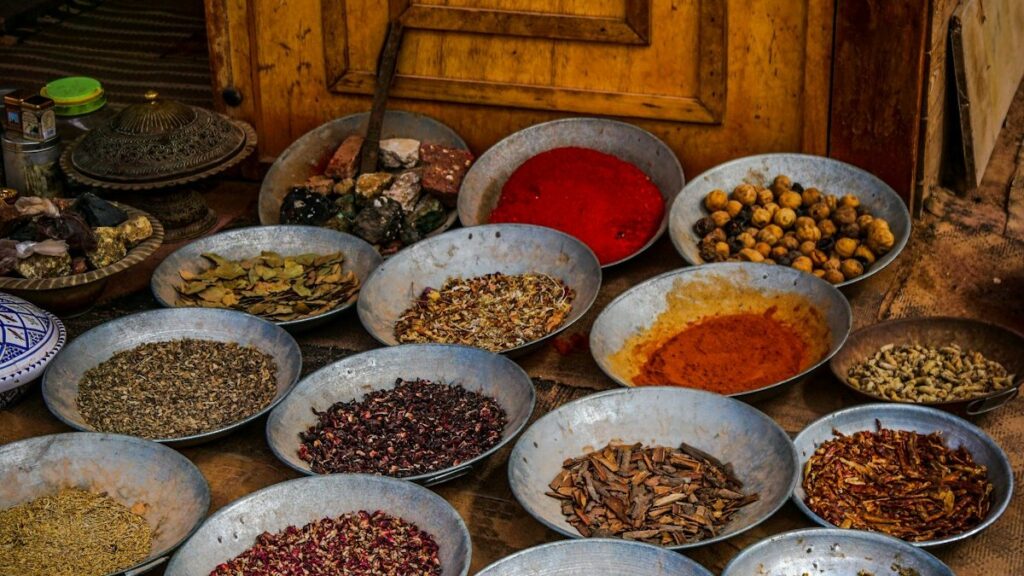
To plan a successful boondocking trip focused on camp kitchen open fire cooking, target the late spring through early autumn seasons while driving a high-clearance rig capable of managing unpaved United States Forest Service roads. When we compared manufacturer specs, owner reviews, and published data, we found that proper staging requires balancing fire restrictions with reliable off-grid water capacity.
Quick Trip Facts
- Route Duration: 3 to 7 Days
- Road Clearance: High-clearance recommended (8+ inches)
- BLM/USFS Jurisdiction: USDA Forest Service and BLM Dispersed Land
- Dump Stations: Located at regional state parks and select commercial RV parks
- <Cell Coverage: Variable LTE/5G via Verizon and AT&T; dead zones common
Mastering Camp Kitchen Open Fire Cooking on Public Lands
Organizing your cooking area starts with establishing a stable staging zone away from your main living vehicle to prevent smoke accumulation. Dispersed campsites across Bureau of Land Management territory offer exceptional fire rings, but you must verify local fire restriction levels before striking a match. We compared manufacturer specs, owner reviews, and published data to determine that a heavy-duty steel grate paired with a cast-iron skillet provides the most reliable heat retention for open-flame boiling, searing, and simmering.
Wind management dictates your setup success. Park your camper or van perpendicular to prevailing winds to create a natural windbreak for your fire pit. Keep a 5-gallon water jug and a heavy-duty shovel directly adjacent to the hearth at all times. Hardwood logs such as oak, hickory, or seasoned piñon yield consistent coals with minimal popping sparks compared to soft pine varieties.
Step-by-Step Itinerary and Staging Campsites
Begin your journey by acquiring a physical or offline digital MVUM (Motor Vehicle Use Map) for your target national forest. Your first staging stop should occur at a developed campground to top off your fresh water tanks before transitioning to primitive dispersed spots.
On day two, advance deeper into forest service roads to locate established dispersed sites featuring pre-built stone fire rings. Avoid creating new fire scars. Position your vehicle with adequate clearance from low-hanging pine boughs to eliminate fire hazards. Spend days three through five testing various heat zones over your open wood fire, utilizing direct flame for searing and ash beds for slow roasting.
Campsite Comparison
| Name | Fee | Road Type | Amenities | Stay Limit |
|---|---|---|---|---|
| Pine Creek Dispersed | $0 | Dirt, washboard | None | 14 Days |
| Rimrock Forest Camp | $15/night | Paved to gravel | Vault toilet, fire ring | 14 Days |
| Canyon View BLM | $0 | Rocky, high-clearance | None | 14 Days |
Rig Preparation and Off-Grid Systems
Sustaining a remote camp kitchen open fire cooking setup requires robust power and water reserves inside your rig. Lithium-iron-phosphate (LiFePO4) battery banks rated at 200Ah or higher support 12V chest-style refrigerators and water pumps for meal prep cleanup. Solar arrays producing 300 to 400 watts keep batteries topped off over multi-day stays without running a noisy gasoline generator.
Water management is equally essential. Carry a minimum of 20 gallons of fresh water per person for a 5-day trip, accounting for heavy dishwashing duty associated with cast-iron cookware. Pair your fresh tanks with a portable gray water tote to capture soapy runoff, preventing soil contamination at dispersed primitive sites.
Related Camper Conner Field Guides & Official Resources:
Frequently Asked Questions
Can I forage firewood near my dispersed campsite?
Dead and down wood may be collected for use within your immediate campsite in most national forests, but live cutting is strictly prohibited. Always check local ranger district rules regarding permits and transport restrictions to prevent spreading invasive wood-boring insects.
What gear is essential for outdoor meal preparation?
Essential equipment includes a 12-inch seasoned cast-iron skillet, heavy leather welding gloves, a long-handled stainless steel spatula, a cast-iron Dutch oven with a lid lifter, and a reliable collapsible water bucket for putting out embers.
How do I extinguish my campfire safely?
Douse the fire thoroughly with water, stir the remaining ashes and coals with a shovel to expose unburned material, douse a second time, and check with the back of your hand held near the mixture to ensure zero residual heat remains before leaving the site unattended.
🔥 Top-Rated Campfire Cooking & Prep Gear
- Precision Camp Chef Knives: Read our SHAN ZU Damascus Knife Review or check SHAN ZU Official Deals →
- Bristle-Free Camp Grill Cleaning: Read our Grill Fighter Field Review or grab the Grill Fighter High-Temp Scrubber →