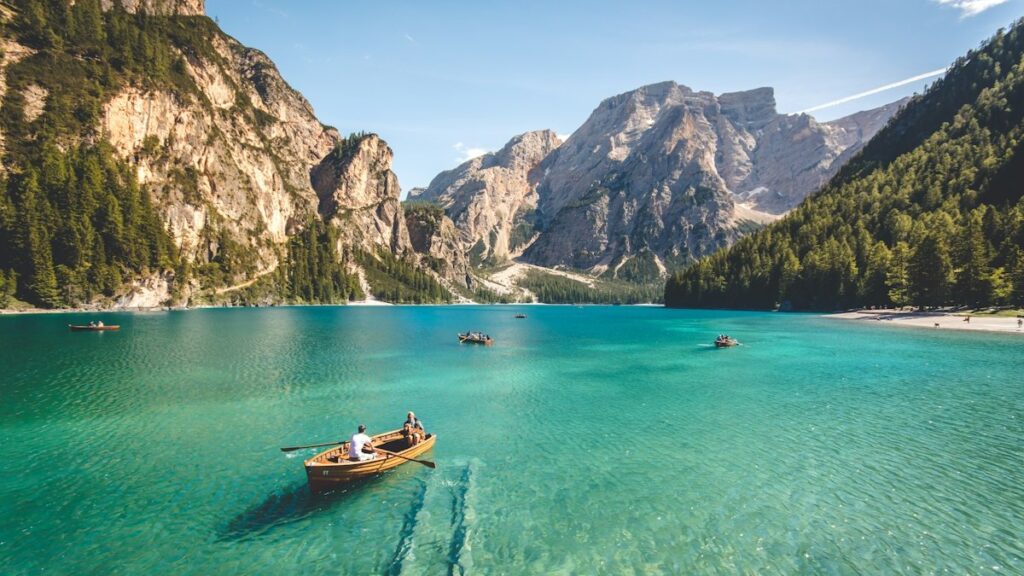
This Glacier National Park camping guide provides the specific logistics needed to secure a site in the Crown of the Continent during the 2025 season. For travelers arriving in vans, truck campers, or small RVs, the window for securing reservation-based sites opens six months in advance, while dispersed options on adjacent public lands require careful navigation of Forest Service logging roads.
Quick Trip Overview
- Managing Agency: National Park Service (NPS) & Flathead National Forest (USFS)
- Road Access: Paved main arteries; North Fork and USFS roads require high clearance
- Permits & Fees: NPS fees vary ($15–$30); USFS dispersed camping is free with 14-day limits
- Cell Signal: Non-existent in the North Fork and Many Glacier; weak in West Glacier
Researching this guide involved analyzing National Park Service availability data, USFS motor vehicle use maps (MVUM), and current fire management protocols. We compared vehicle length restrictions and road grade percentages to ensure the following recommendations suit practical car camping and van-life setups.
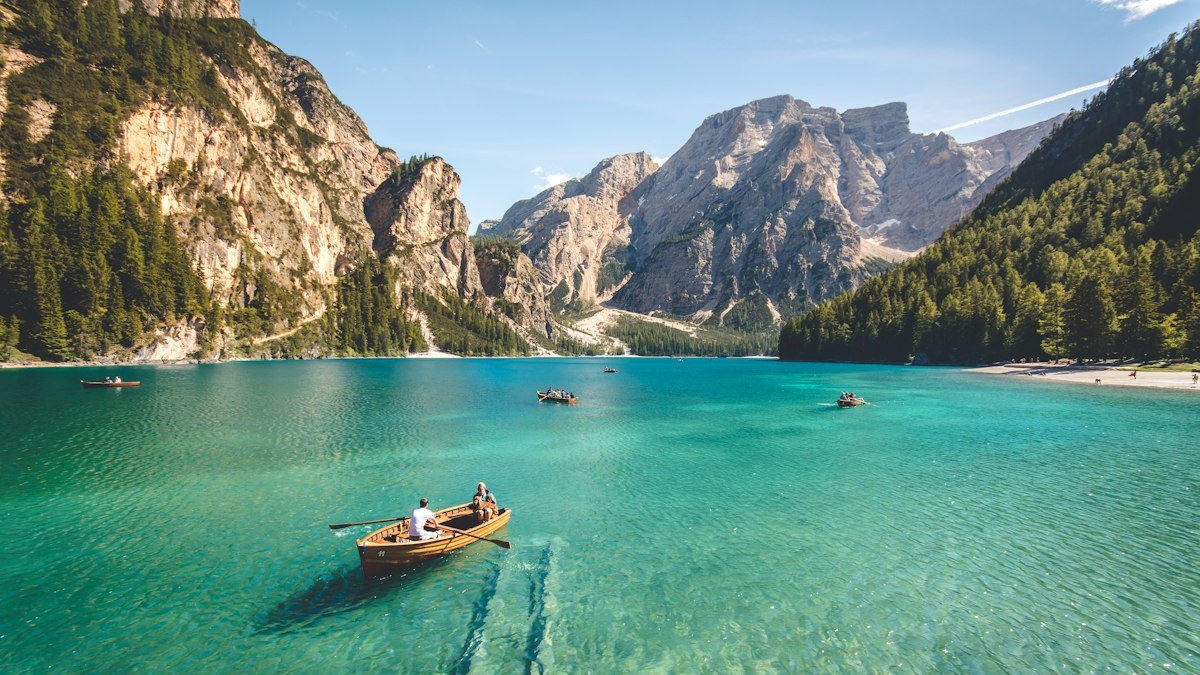
Bowman Lake (North Fork District)
Located in the remote northwest corner of the park, Bowman Lake offers a primitive experience far from the congestion of the Going-to-the-Sun Road. This site is ideal for those seeking solitude and immediate water access for kayaking or paddleboarding. The road to Bowman Lake is an unpaved, narrow, and often washboarded surface that discourages large rigs. High-clearance vehicles are strongly recommended due to deep ruts that form after heavy spring rains.
The managing agency is the National Park Service. The best season for this area is July through September; earlier visits often encounter heavy mosquito populations and muddy road conditions. This spot suits tent campers and small camper vans (under 20 feet). Large travel trailers and Class A motorhomes should skip this location as the tight turns and overhanging branches make the access road impassable for oversized vehicles.
Flathead National Forest: Blankenship Bridge
For those who cannot secure a site within the park boundaries, Blankenship Bridge on USFS land has historically served as a primary dispersed camping hub. Located at the confluence of the North and Middle Forks of the Flathead River, it provides a gravel bar setting for boondockers. However, heavy use has led to stricter enforcement of stay limits and parking zones. This Glacier National Park camping guide recommends this spot only for self-contained units with high clearance, as the gravel can be loose and deep.
Managed by the U.S. Forest Service, this area is free but requires strict adherence to bear-safety protocols. It suits those who prefer autonomy and do not require toilets or potable water. Travelers who value privacy should skip this spot during peak July weekends, as it becomes crowded with local river rafters and other campers.
Sprague Creek Campground
Sprague Creek is a small, heavy-timbered campground located on the shores of Lake McDonald. It is one of the most sought-after locations because of its proximity to the West Entrance and its views of the lake. Because of the tight configuration, towed units and trailers are prohibited here. This makes it an excellent choice for camper vans and SUVs where you won’t be parked next to a large generator-running motorhome.
The best season is late May through September. It suits travelers who want a central base camp for hiking the Highline Trail or visiting Lake McDonald Lodge. Those who are sensitive to road noise should skip it, as the campground is situated directly below the Going-to-the-Sun Road, which sees heavy traffic throughout the day and early evening.
Essential Comparison for Glacier National Park Camping
To help you decide where to park for the night, use this table to compare the specific requirements and amenities of each location mentioned in this Glacier National Park camping guide.
| Spot Name | Agency | Road Type | Water/Toilets | Stay Limit |
|---|---|---|---|---|
| Bowman Lake | NPS | Dirt (Rough) | Yes / Vault | 14 Days |
| Blankenship Bridge | USFS | Gravel/Rocks | None | 3 Days (Seasonal) |
| Sprague Creek | NPS | Paved | Yes / Flush | 14 Days |
| Kintla Lake | NPS | Dirt (Narrow) | Yes / Vault | 14 Days |
Land Rules & Safety
Camping in this region requires an understanding of the grizzly bear habitat. Both the U.S. Forest Service and the NPS enforce strict food storage orders. All attractants, including food, trash, and toiletries, must be stored in bear-resistant containers or hard-sided vehicles when not in immediate use. Failure to comply can result in fines and the immediate termination of your camping permit.
Following Leave No Trace (LNT) ethics is vital for maintaining access to dispersed USFS sites. Pack out all trash, and if vault toilets are unavailable, dispose of human waste in cat-holes at least 6 to 8 inches deep and 200 feet away from water sources. Fire restrictions are common from July through September; always check current Stage I or Stage II fire bans before lighting a campfire. Most dispersed sites outside the park require a free Montana state campfire permit if you plan to use a portable stove or fire ring.
Essential Gear to Pack
Preparing for the variable weather in Northwest Montana is a key part of any Glacier National Park camping guide. Even in August, temperatures can drop to near freezing at higher elevations overnight.
- Bear Spray: This is a non-negotiable safety item. Ensure every member of your party has a canister accessible on their person, not buried in a pack.
- Water Filtration: If you are camping in the North Fork or on USFS land, you will need a reliable pump or gravity filter to process water from local streams or lakes.
- Leveling Blocks: Many of the primitive sites and dispersed pull-outs are on uneven glacial till. Heavy-duty leveling blocks will ensure your fridge runs efficiently and your sleep is comfortable.
Related Camper Conner Field Guides & Official Resources:
Frequently Asked Questions
Do I need a reservation to enter the park for camping?
Yes, during the peak season (typically late May through early September), Glacier National Park requires vehicle reservations for the Going-to-the-Sun Road, North Fork, and Many Glacier corridors. If you have a confirmed camping reservation within one of these areas, your camping permit serves as your vehicle access for that specific area.
What is the maximum vehicle length for the Going-to-the-Sun Road?
Vehicles and vehicle-trailer combinations longer than 21 feet or wider than 8 feet are prohibited between Avalanche Campground and Rising Sun. This includes bumpers and mirrors. If your rig exceeds these dimensions, you must use Highway 2 to travel between the east and west sides of the park.
Is there cell service at the campgrounds?
Cell service is extremely limited. You may find a weak signal near West Glacier or St. Mary, but once you enter the heart of the park or the North Fork district, expect zero connectivity. This Glacier National Park camping guide recommends downloading offline maps on Gaia GPS or onX Offroad before you arrive.
Can I find free camping near Glacier National Park?
Free camping is available on Flathead National Forest land surrounding the park. Popular spots include the North Fork Road (outside the park boundary) and various USFS logging roads. These spots have no amenities and require self-containment and strict adherence to the 14-day stay limit.
🏕️ Essential Expedition Booking & Trail Recovery Kit
- Instant Campground & RV Park Booking: Public parks sold out? Browse guaranteed private RV sites, cabins & glamping on Campspot Instant Reservations →
- Sold-Out National Park Alerts: Snag last-minute cancellations with Campnab Campsite Scanner (see our full Campnab test).
- High-Altitude & Desert Cellular Hydration: Combat elevation fatigue on steep trails with Hydro-Health Deuterium-Depleted Water (ExtraLightWater) →
- Ultralight Camp Comfort: Inflate sleeping pads in seconds with FLEXTAIL Pocket Air Pumps & Lanterns →