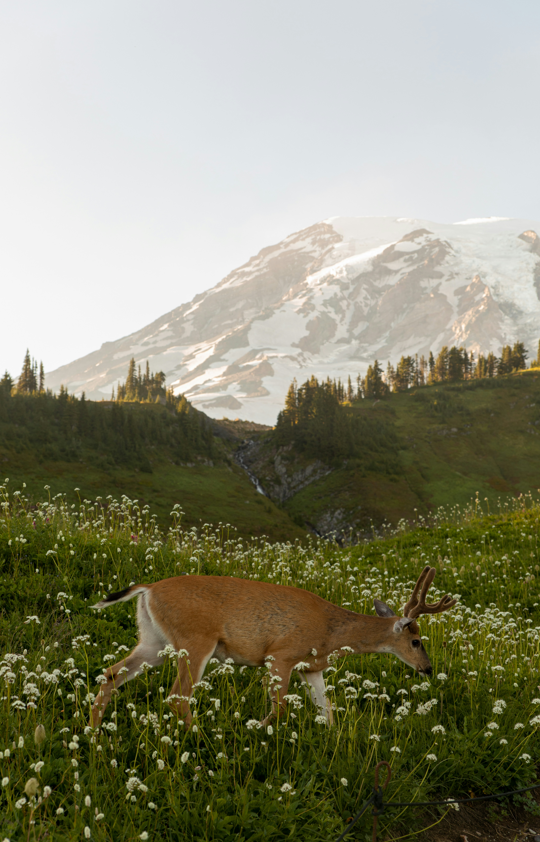
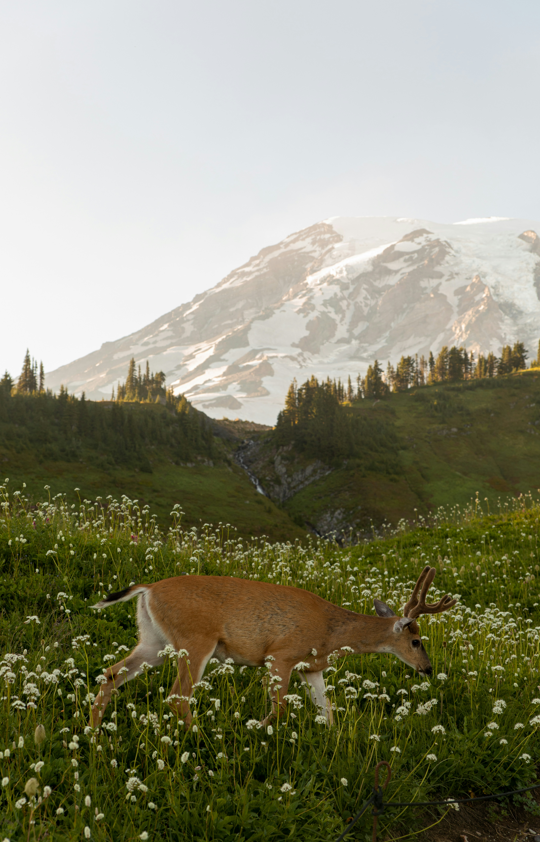
Have you ever arrived at a crowded campground only to find yourself pitching a tent inches away from a roaring generator or a noisy neighbor? If you are ready to trade the packed campsites for true solitude, it’s time to try dispersed camping.
Often called boondocking or off-grid camping, dispersed camping means staying on public land outside of designated, developed campgrounds. No toilets, no running water, no reservation fees—just you, your tent, and the wild.
If you are new to this, heading into the woods without a safety net can feel intimidating. This ultimate guide to dispersed camping for beginners will break down everything you need to know to stay safe, legal, and comfortable off the grid.
What is Dispersed Camping?
Before packing your bags, it’s crucial to understand what dispersed camping actually means. Unlike traditional campgrounds (which Americans call “frontcountry” or “developed” camping), dispersed campsites have zero amenities.
You won’t find picnic tables, fire rings, trash cans, or camp hosts. You are entirely self-reliant.
Where is Dispersed Camping Allowed in the US?
In the United States, you can’t just pitch a tent anywhere. Dispersed camping is primarily allowed on two types of public lands:
- National Forests: Managed by the US Forest Service (USFS).
- Bureau of Land Management (BLM) Land: Mostly found in the Western US.
🚨 Pro Tip: Always look for Motor Vehicle Use Maps (MVUMs) on the USFS or BLM websites. These maps show exactly which dirt roads allow dispersed camping and how far you can drive your vehicle off the road to set up camp.
How to Find Free Dispersed Campsites
Finding a great spot requires a bit of pre-trip homework. Because you can’t reserve these spots, you need to have a backup plan. Here are the best tools and apps the outdoor community uses to find free camping:
- The Dyrt (Pro Version): Excellent for overlaying BLM and National Forest boundaries map layers.
- iOverlander: A crowd-sourced app that is fantastic for van lifers and car campers looking for established dispersed spots.
- Gaia GPS / OnX Backcountry: Essential offline maps that show topographic lines and land ownership boundaries.
Remember: Turn off your GPS to get lost, but keep your offline maps downloaded so you can always find your way back!
[Image Placeholder: Một flat-lay ảnh các món đồ cắm trại như bếp gas nhỏ, túi ngủ, bộ lọc nước. Alt text: Dispersed camping gear essentials checklist]
Essential Gear Checklist for Off-Grid Camping
When it comes to dispersed camping for beginners, the biggest mistake is packing like you’re going to a state park. Since there are no facilities, your gear list needs a few critical upgrades:
💧 Water Filtration System
You cannot rely on camp spigots. You must bring enough water for drinking, cooking, and washing, or carry a reliable water filter (like the Sawyer Squeeze or Katadyn BeFree) if you are camping near a water source.
💩 Human Waste Management (The LNT Way)
Since there are no restrooms, you have two choices:
- The Cathole Method: Dig a hole 6 to 8 inches deep, at least 200 feet away from water sources, trails, and campsites.
- WAG Bags: Some fragile ecosystems (like high deserts) require you to pack out your human waste. Always check local regulations.
🔋 Power & Navigation
Your phone battery will drain faster searching for a signal. Bring a reliable power bank and a physical compass or downloaded offline maps.
The Golden Rule: Leave No Trace (LNT)
Because public lands are free and unmanaged, they face the risk of being shut down due to trash and land damage. To keep these beautiful places open, every camper must follow the Leave No Trace principles:
- Pack it in, pack it out: Take every single piece of trash back home with you—including food scraps and toilet paper.
- Camp on durable surfaces: Look for spots where someone has clearly camped before. Do not crush pristine wildflowers or vegetation to make a new spot.
- Minimize campfire impacts: Use existing rock fire rings if available. Never leave a fire unattended, and ensure it is completely cold to the touch before you leave.
Final Thoughts for Your First Off-Grid Trip
Dispersed camping takes a bit more effort than booking a spot at a KOA, but the reward is unmatched. Waking up to total silence, with no one else in sight, is an experience that will change how you view the outdoors forever.
Take it slow, test your gear in your backyard first, and always check the weather and wildfire restrictions before you head out.
Are you ready to turn off your GPS and hit the trail? Drop a comment below if you have any questions about planning your first dispersed camping trip!