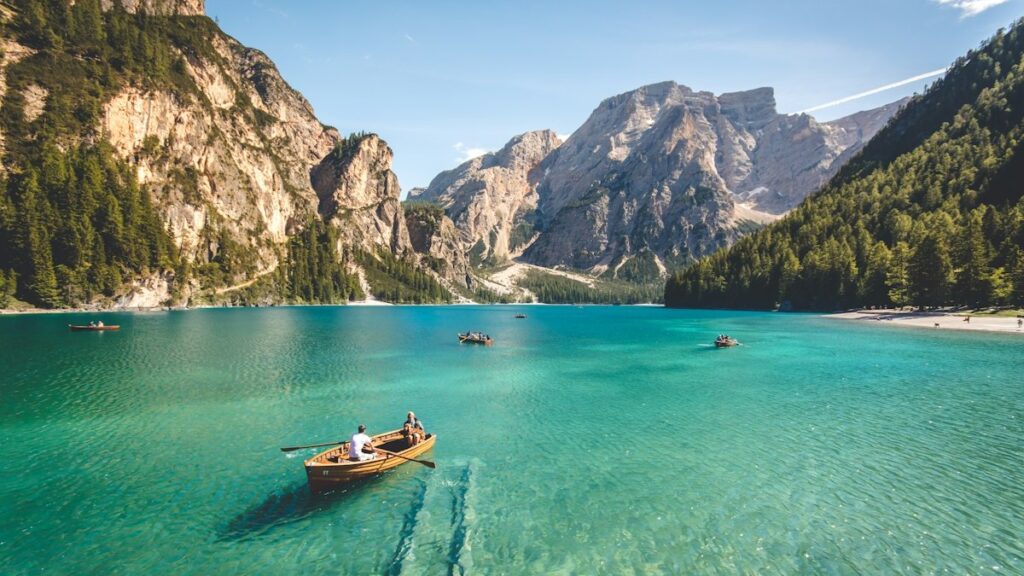
Finding the best campgrounds in Colorado Rockies requires understanding current seasonal access windows, high-elevation weather patterns, and strict public land regulations. Dispersed camping across U.S. Forest Service and Bureau of Land Management acres provides solitude and free overnight stays for self-contained rigs, provided you pack out all waste and follow active fire bans.
Essential Field Trip Planner: Campsite Alerts & Rig Rentals
Planning your backcountry expedition? Two verified tools our field testers use before hitting public lands:
Popular national park and state forest campsites book out months ahead. Campnab monitors recreation cancellation systems 24/7 and texts you the instant a booked spot opens up.
Rent high-clearance 4×4 campervans, rooftop tent vehicles, or off-grid overland trailers directly from local verified hosts on Outdoorsy.
Quick Trip Overview
- Managing Agency: U.S. Forest Service (USFS) & Bureau of Land Management (BLM)
- Road Access: High clearance recommended; 2WD accessible at lower staging areas
- Permits & Fees: Free dispersed camping with valid State Campfire Permit (checked current season)
- Cell Signal: Intermittent; offline GPS mapping required
Top Dispersed Spots Among the Best Campgrounds in Colorado Rockies
Clear Creek Canyon Road (Forest Service Road 379)
Clear Creek Canyon Road offers primitive roadside pullouts nestled in a steep mountain corridor. Sites feature uneven terrain and close proximity to rushing water, making it a popular option for campervans and truck campers seeking quick access to high-altitude hiking trails.
Road Clearance Needed: High clearance is strongly recommended due to deep potholes and washboard sections. Standard passenger cars will scrape on entry.
Managing Agency: Managed by the U.S. Forest Service.
Best Season: June through September. Snow accumulation closes upper sections during winter and early spring.
Who it suits: Self-contained campervans, truck campers, and agile 4WD rigs wanting free camping near alpine trailheads.
Who should skip it: Large Class A motorhomes, trailers longer than 24 feet, and anyone without backup cameras or four-wheel drive.
Twin Lakes Dispersed Area
Positioned below towering fourteen-thousanders, the Twin Lakes area delivers expansive views of glacial lakes and historic mining ruins. Dispersed pullouts are scattered along the perimeter of the reservoir on public land.
Road Clearance Needed: Most main access tracks are well-graded gravel suitable for standard 2WD vehicles, though specific spur roads require high clearance.
Managing Agency: Managed by the Bureau of Land Management.
Best Season: May to October. Afternoon thunderstorms are frequent in July and August.
Who it suits: Photographers, paddleboarders, and owners of mid-sized travel trailers looking for scenic lakefront vistas.
Who should skip it: Solitude seekers, as high wind gusts are common and summer weekends draw heavy crowds.
Boreas Pass Road Dispersed Sites
Boreas Pass Road climbs above timberline along an historic narrow-gauge railroad grade, offering sweeping panoramas of the Blue River Valley and Tenmile Range. Dispersed spots sit directly off the main thoroughfare.
Road Clearance Needed: 2WD vehicles can handle the lower packed dirt sections, but upper alpine loops require high clearance and careful tire placement over exposed rocks.
Managing Agency: Managed by the U.S. Forest Service.
Best Season: July through September. Fall foliage attracts peak traffic in late September.
Who it suits: Mountain bikers and overlanders seeking high-altitude parking spots with immediate trail connectivity.
Who should skip it: Campers sensitive to altitude sickness, as most sites sit above 10,000 feet elevation.
Comparison of Featured Public Land Locations
| Spot Name | Agency | Road Type | Water/Toilets | Max Stay Limit |
|---|---|---|---|---|
| Clear Creek Canyon | USFS | Rough / High Clearance | None | 14 days |
| Twin Lakes Area | BLM | Gravel / 2WD Friendly | Vault Toilets (Selected Areas) | 14 days |
| Boreas Pass Road | USFS | Rocky / High Clearance | None | 14 days |
Land Rules and Safety Regulations
Protecting public lands requires strict adherence to Leave No Trace principles. Campers must pack out all trash, bury human waste at least 200 feet from water sources, and utilize existing fire rings. Unattended campfires are illegal, and seasonal fire bans restrict open flames during high-risk drought conditions. The standard stay limit across USFS and BLM lands in Colorado is 14 days within any 28-day period.
Review current fire restrictions directly through the U.S. Forest Service or the Bureau of Land Management before striking camp.
Essential Gear to Pack
High-altitude mountain camping demands reliable equipment for shifting weather conditions and rugged terrain. We compared manufacturer specs, owner reviews, and published data to highlight three essential items for your rig:
- Portable Waste Management: A durable cassette toilet or sealed waste bags are mandatory where vault toilets are absent.
- Traction Boards: Sandy tracks and loose gravel require reliable recovery boards to prevent getting stuck in remote drainages.
- Offline Navigation: Satellite GPS units and downloaded offline topo maps ensure you stay on designated public roads without cellular coverage.
Frequently Asked Questions
Are permits required for dispersed camping in the Colorado Rockies?
Most USFS and BLM dispersed sites do not require advance reservations or camping fees. However, some specific wilderness zones or high-impact corridors require free self-registration permits at trailhead kiosks.
What are the maximum stay limits on public lands?
Campers are restricted to a 14-day stay limit within any 28-day period across all public lands managed by the same agency within a specific radius. After 14 days, you must relocate your entire camp outside that designated district.
Can I find cell phone service at high-elevation campsites?
Cellular coverage is highly intermittent in deep mountain canyons and behind ridgelines. Major carriers offer signal in valley floors, but you should never rely on cellular data for emergency communication in remote passes.
How do I manage campfires safely during dry conditions?
Always check local fire restrictions posted at forest entrance kiosks. When fires are permitted, keep rings small, clear all flammable debris within 10 feet, and completely drown coals with water until cold to the touch before sleeping.
🏕️ Essential Expedition Booking & Trail Recovery Kit
- Instant Campground & RV Park Booking: Public parks sold out? Browse guaranteed private RV sites, cabins & glamping on Campspot Instant Reservations →
- Sold-Out National Park Alerts: Snag last-minute cancellations with Campnab Campsite Scanner (see our full Campnab test).
- High-Altitude & Desert Cellular Hydration: Combat elevation fatigue on steep trails with Hydro-Health Deuterium-Depleted Water (ExtraLightWater) →
- Ultralight Camp Comfort: Inflate sleeping pads in seconds with FLEXTAIL Pocket Air Pumps & Lanterns →
Related Camper Conner Field Guides & Official Resources: